All research

Research theme 1

Synthetic Biology for Natural Products

We engineer Streptomyces bacteria to discover and make new bioactive molecules.

Bacteria make chemicals that become medicines, crop protection agents and industrial chemicals. Their genes sit together in biosynthetic gene clusters, and most clusters stay silent in the laboratory. We switch them on, work out what they make and engineer the pathways to make more.

We work mainly in Streptomyces venezuelae, a fast-growing bacterium that suits synthetic biology. We ask basic questions, such as how a pathway is regulated and how a single enzyme works. We then apply the answers to enzyme discovery, pathway engineering and the production of high-value chemicals and new biotherapeutics.

Our tools include CRISPR-Cas9, heterologous expression hosts and pathway refactoring. We aim these tools at global challenges: antimicrobial resistance, sustainable crop protection and the replacement of petrochemical synthesis with biological routes.

Recent success: we expressed the acfXODCP genes from S. venezuelae ATCC 10712 in S. coelicolor M1152 and isolated arcyriaflavin F, a C-5/C-5' dihydroxylated indolocarbazole. The enzyme AcfX adds both hydroxyl groups.
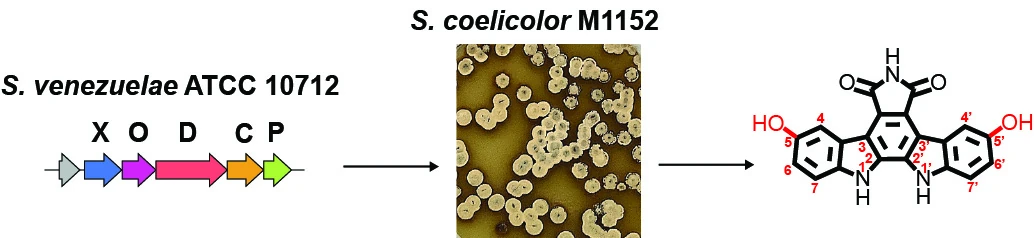
Figure from the arcyriaflavin F paper: the biosynthetic gene cluster in Streptomyces venezuelae, a plate of Streptomyces coelicolor M1152 colonies, and the structure of arcyriaflavin F.
Figure from Lai et al., ChemBioChem (2024). doi:10.1002/cbic.202400357 (opens in a new tab)

This genome encodes far more chemistry than we know.

  • 8.2 Mbgenome size of Streptomyces venezuelae ATCC 10712 (8,226,158 base pairs)
  • 30biosynthetic gene clusters in that genome, as predicted by antiSMASH
  • 6clusters with a known product: chloramphenicol, jadomycin, watasemycin, venepeptide, pikromycin and arcyriaflavin F

Sources: NCBI RefSeq NC_018750.1 (opens in a new tab) and Lai et al., ChemBioChem (2024) (opens in a new tab).

From cell pellet to purified compound

The photographs show the steps from a harvested cell pellet to a purified natural product.
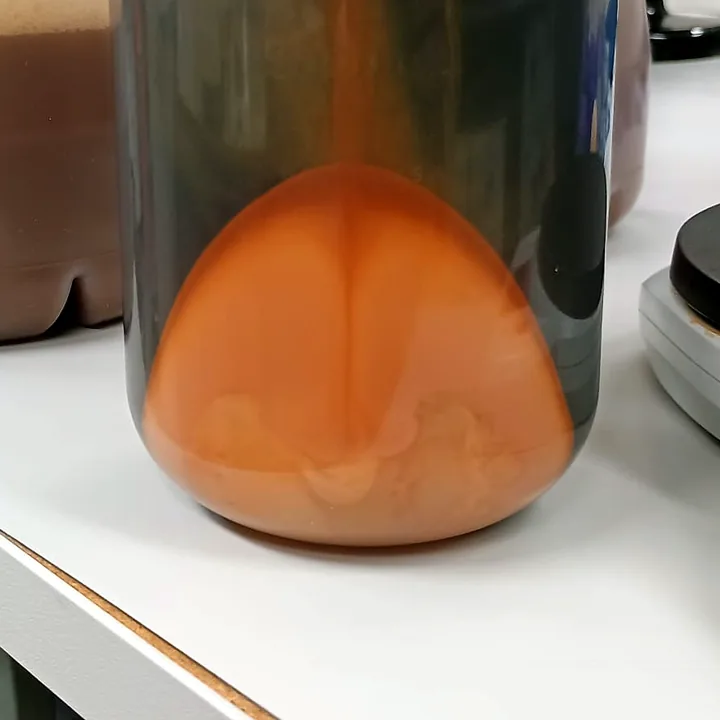
  1. Centrifuge bottle with an orange cell pellet settled at its base, beside a bottle of brown culture.
    Cell pellet
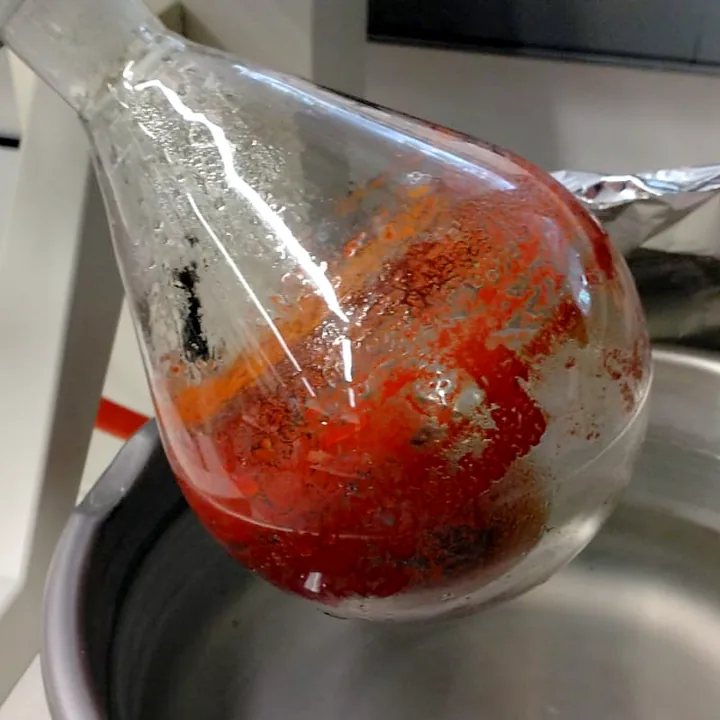
  2. Round-bottom flask holding a dark orange-red crude extract over a water bath.
    Crude extract
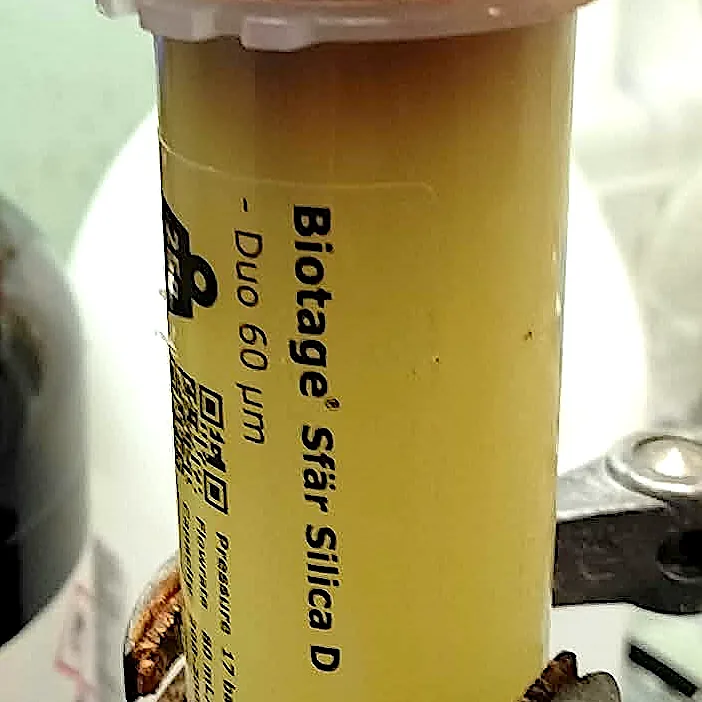
  3. Chromatography cartridge in a clamp, packed with yellow-green material under an orange cap.
    Chromatography purification
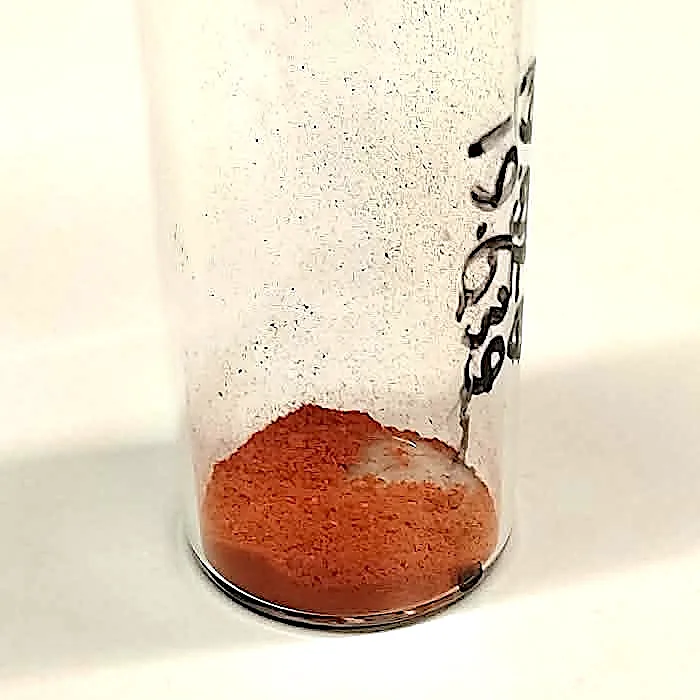
  4. Glass vial holding a small amount of orange-red powder, the purified compound.
    Purified compound

In the laboratory

Photographs from the bench: reporter assays, marine bacteria, extraction and analysis.
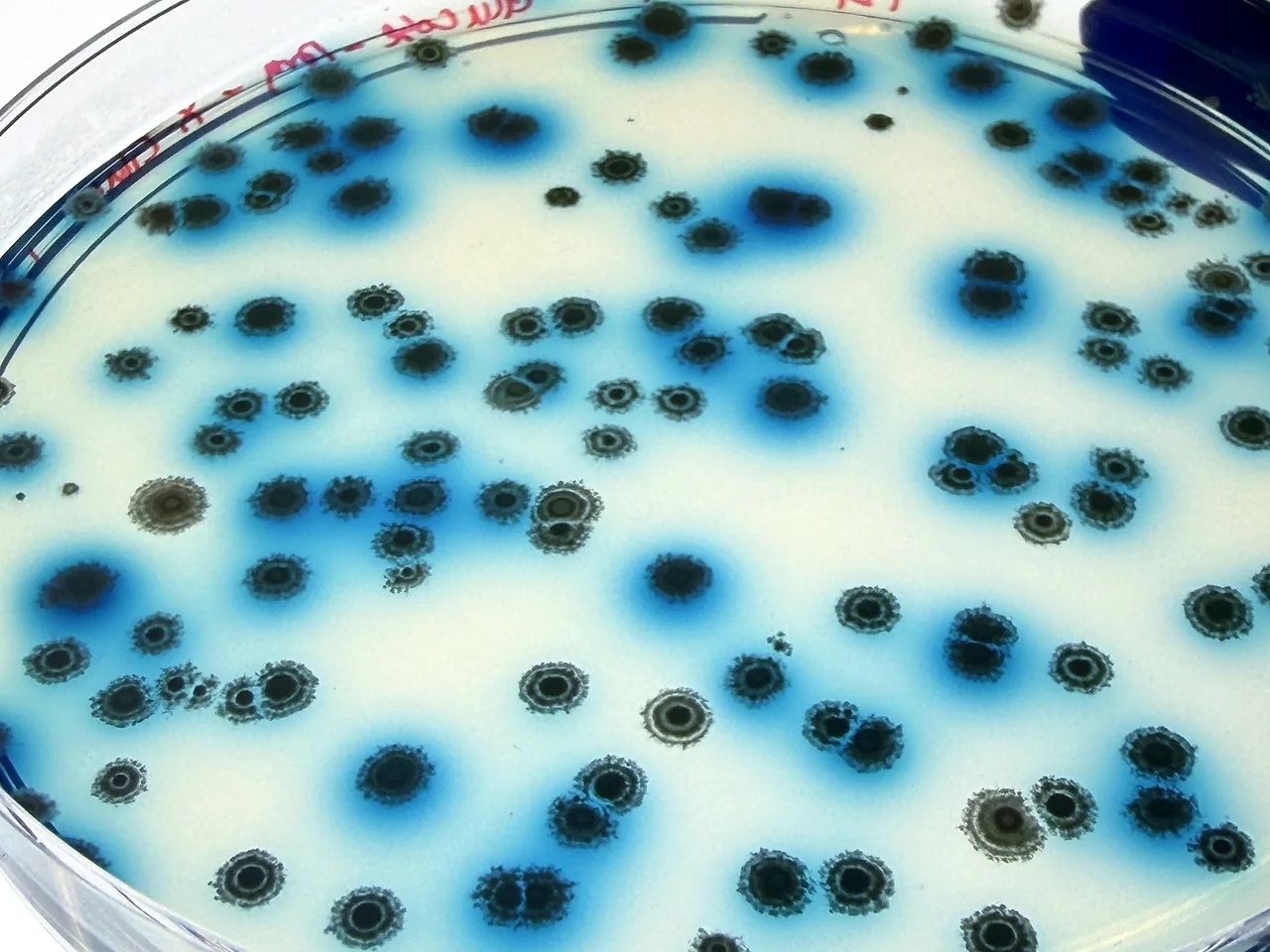
  1. Petri dish held up to the light, with dark ringed bacterial colonies, many surrounded by blue halos where the GUS reporter has turned its substrate blue.
    Reporter assay
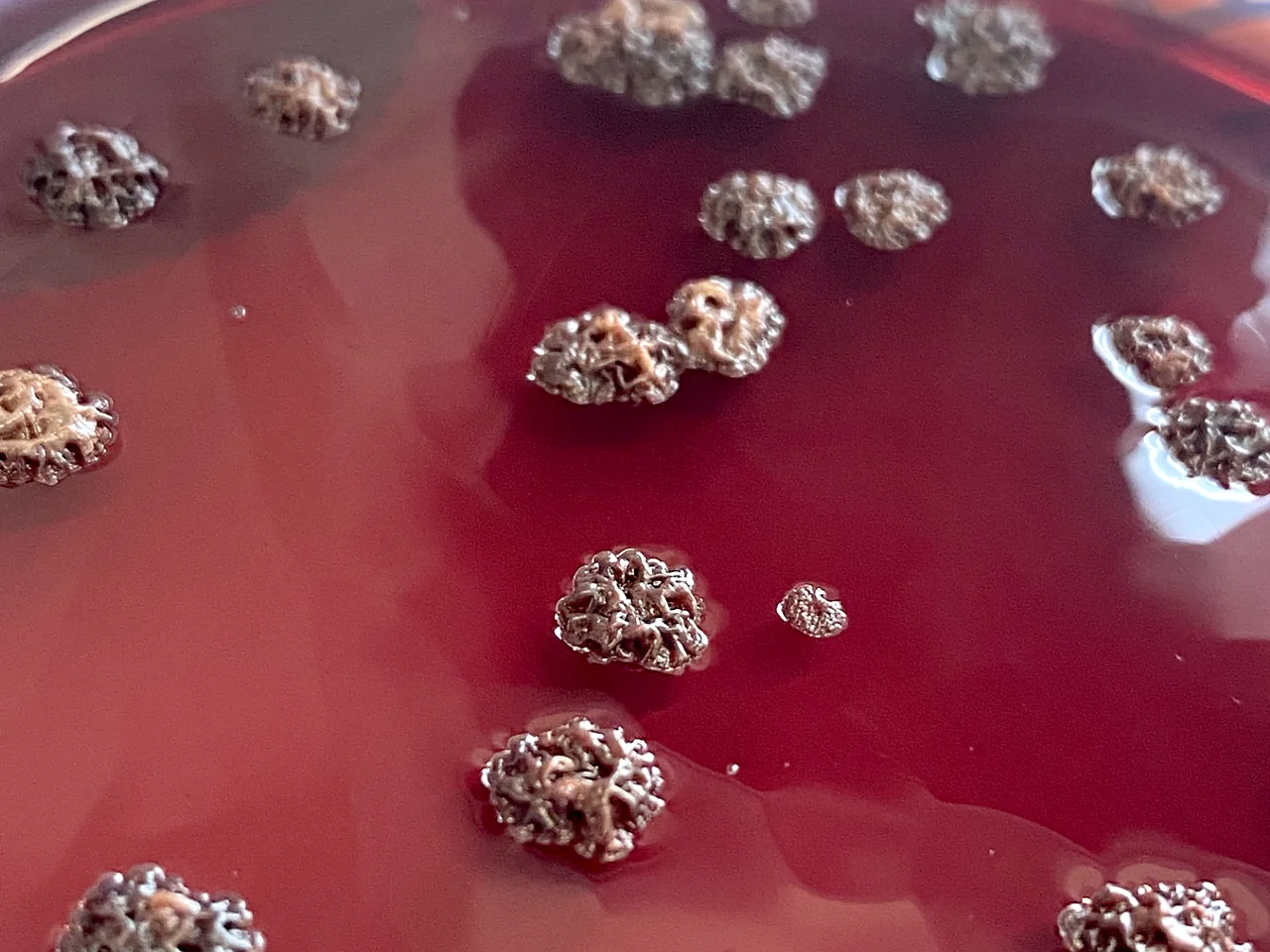
  2. Close-up of wrinkled brown bacterial colonies on dark red agar in a Petri dish.
    Marine bacteria
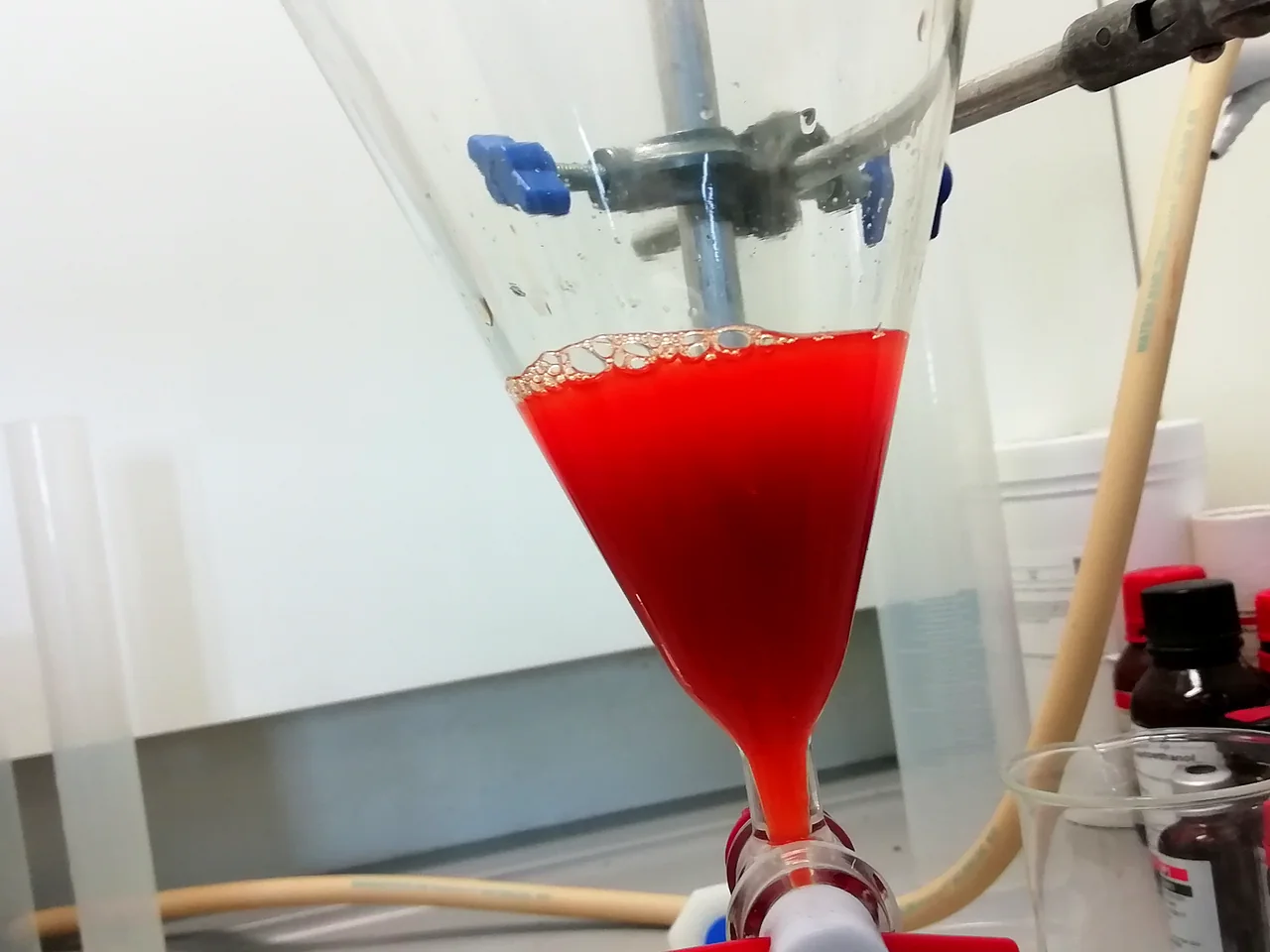
  3. Separating funnel clamped on a stand, filled with a bright red liquid.
    Extraction
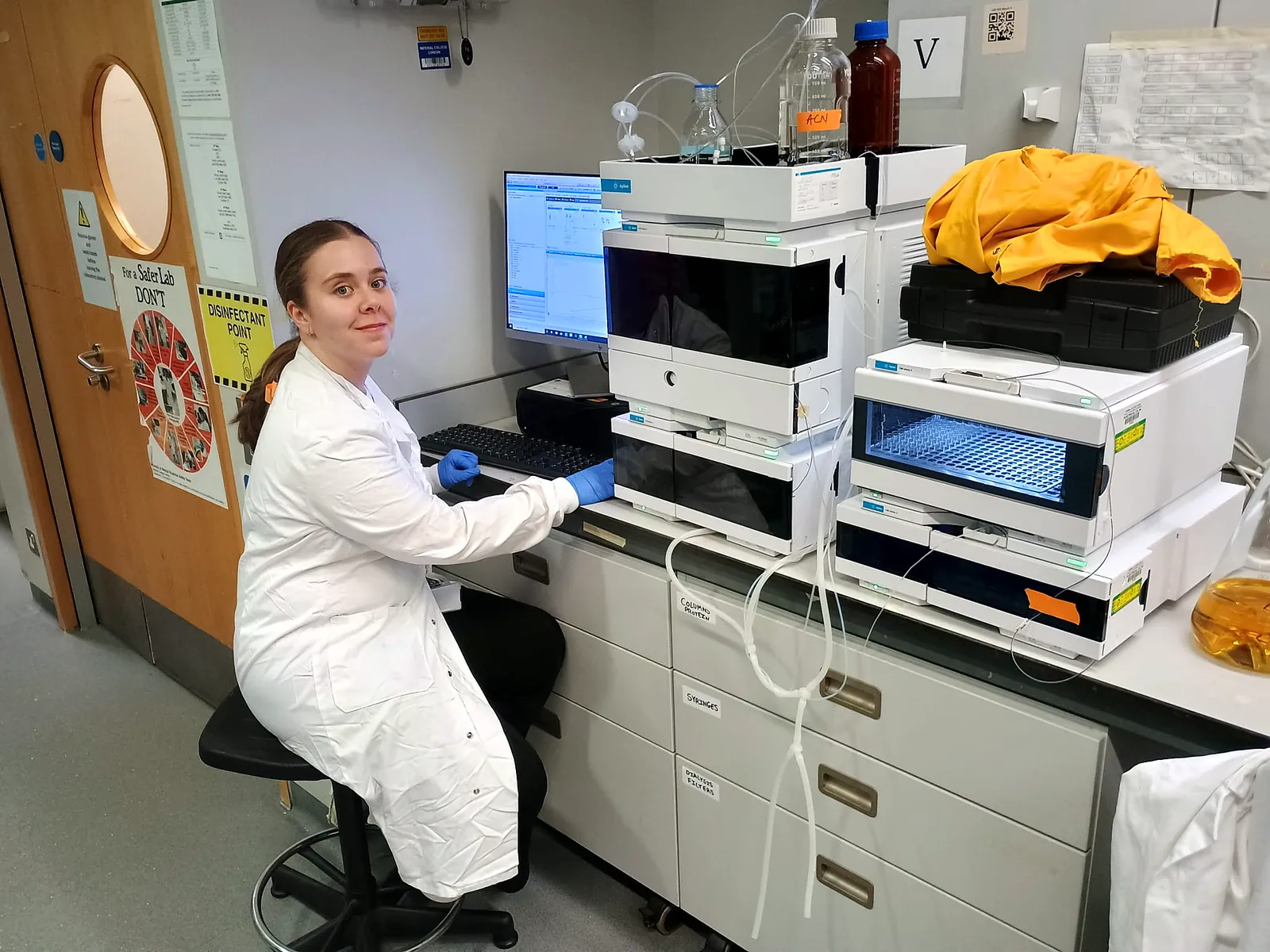
  4. Researcher in a white lab coat seated at a liquid chromatography instrument, smiling at the camera.
    HPLC analysis

Selected publications

Each entry links to the paper, its Altmetric record and a live citation count.

  • Publication 31

    Luis M. Murillo-Herrera, Maria E. Sandoval-Salinas, Rachel Crespo-Otero, Elena De Vita, Simon J. Moore, Ana B. Jorge Sobrido

    Exploring the Electrochemical Redox Properties of a Streptomyces-derived Indolocarbazole

    ChemRxiv (2026) Preprint - https://doi.org/10.26434/chemrxiv.15004675/v1

  • Publication 27

    Hung-En Lai, Agata Kennedy, Lewis Tanner, Emma A. Bartram, Soo Mei Chee, Paul S. Freemont, Simon J. Moore

    Biosynthesis of Arcyriaflavin F from Streptomyces venezuelae ATCC 10712

    ChemBioChem (2024) 25:e202400357

    The arcyriaflavin F biosynthetic gene cluster from Streptomyces venezuelae, a plate of Streptomyces coelicolor M1152 colonies, and the structure of arcyriaflavin F.
  • Publication 24

    Simon J. Moore, Hung-En Lai, Jian Li and Paul S. Freemont

    Streptomyces cell-free systems for natural product discovery and engineering

    Nat. Prod. Rep. (2023) 40:228-236

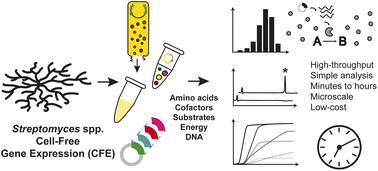
    Overview of Streptomyces cell-free gene expression: extract, DNA and energy mix react within minutes to hours, with a fast and low-cost read-out.
  • Publication 20

    Hung-En Lai, Alan M. C. Obled, Soo Mei Chee, Rhodri M. Morgan, Rosemary Lynch, Sunil V. Sharma, Simon J. Moore, Karen M. Polizzi, Rebecca J. M. Goss, and Paul S. Freemont

    A GenoChemetic strategy for derivatization of the violacein natural product scaffold

    ACS Chemical Biology (2021) 16(11):2116
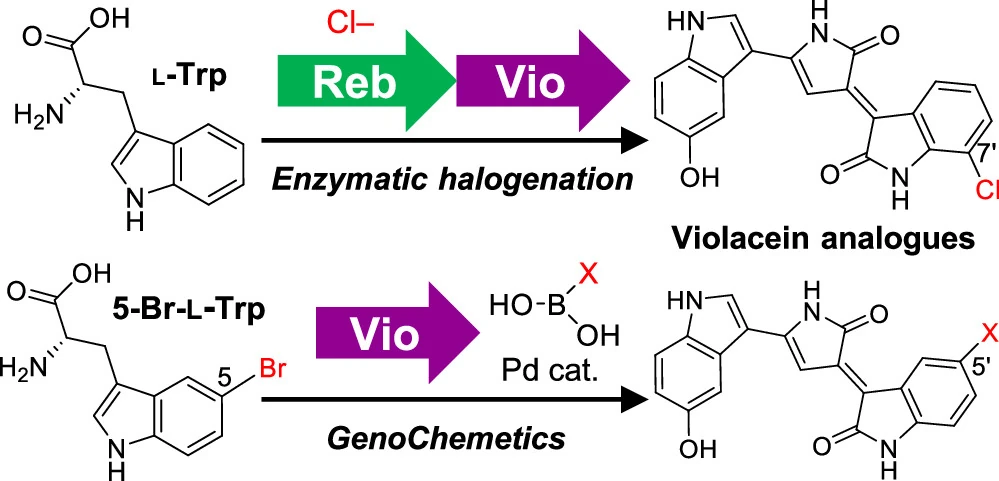
    Reaction schemes for enzymatic halogenation of tryptophan and the GenoChemetic route to violacein analogues.
  • Publication 11

    Simon J. Moore, Sven T. Sowa, Christopher Schuchardt, Evelyne Deery, Andrew D. Lawrence, Jose Vazquez Ramos, Susan Billig, Claudia Birkemeyer, Peter T. Chivers, Mark J. Howard, Stephen E. J. Rigby, Gunhild Layer, and Martin J. Warren

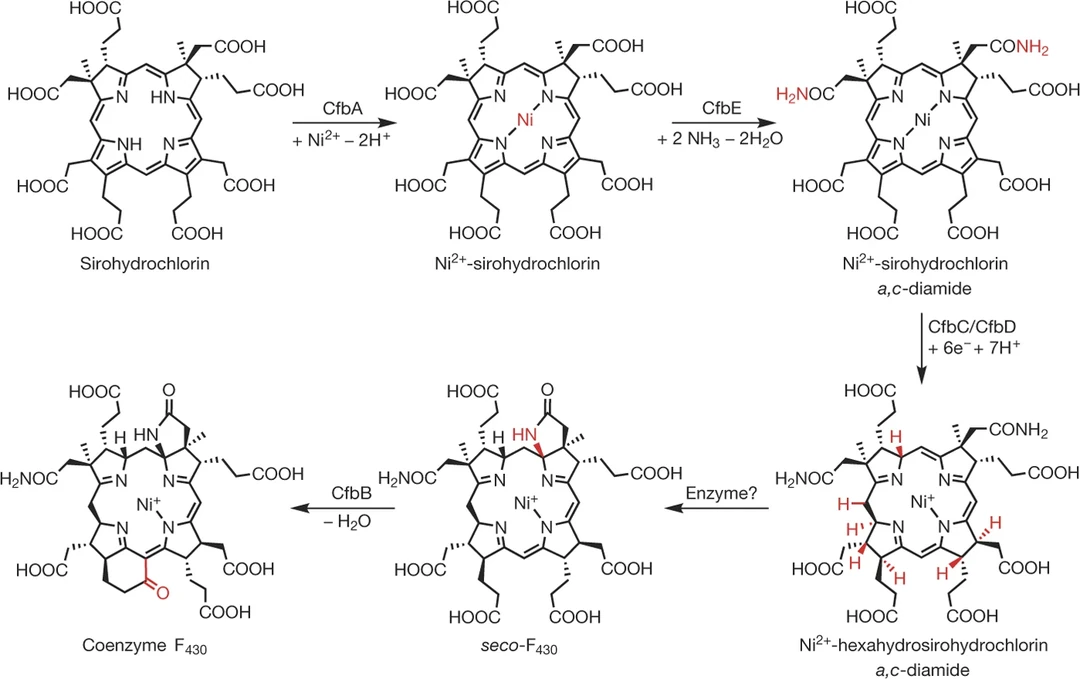
    Elucidation of the biosynthesis of the methane catalyst coenzyme F430

    Nature (2017) 543:78-82

    Chemical structures along the biosynthetic pathway from sirohydrochlorin to coenzyme F430.
More from this theme (8)
  • Publication 18

    Simon J. Moore, Tomasso Tosi, David J. Bell, Yonek Hleba, Karen M. Polizzi, and Paul S Freemont

    High-yield 'one-pot' biosynthesis of raspberry ketone, a high-value fine chemical

    Synth. Biol. (2021) 6:ysab021

  • Publication 17

    Simon J. Moore, Yonek B Hleba, Sarah Bischoff, David J. Bell, Karen M. Polizzi, Paul S. Freemont

    Refactoring of a Synthetic Raspberry Ketone Pathway with EcoFlex

    Microb. Cell Factories (2021) 20: 116

  • Publication 9

    Simon J. Moore, Hung-En Lai, Richard J. R. Kelwick, Soo Mei Chee, David J Bell, Karen M. Polizzi, and Paul S. Freemont

    EcoFlex: A Multifunctional MoClo Kit for E. coli Synthetic Biology

    ACS Synth. Biol. (2016) 5:1059-1069

  • Publication 7

    Simon J. Moore, Matthias J. Mayer, Rebekka Biedendieck, Evelyne Deery, and Martin J. Warren

    Towards a cell factory for vitamin B12 production in Bacillus megaterium : Bypassing of the cobalamin riboswitch control elements

    New Biotechnology (2014) 31:553-61

  • Publication 6

    Simon J. Moore, Andrew D. Lawrence, Rebekka Biedendieck, Evelyne Deery, Stefanie Frank, Mark J. Howard, Stephen E. J. Rigby, and Martin J. Warren

    Elucidation of the anaerobic pathway for the corrin component of cobalamin (vitamin B12)

    PNAS (2013) 110:14906-14911

  • Publication 5

    Simon J. Moore, Rebekka Biedendieck, Andrew D. Lawrence, Evelyne Deery, Mark J. Howard, Stephen E. J. Rigby, and Martin J. Warren

    Characterization of the enzyme CbiH60 involved in anaerobic ring contraction of the cobalamin (vitamin B12) biosynthetic pathway

    Journal of Biological Chemistry (2013) 288:297-305

  • Publication 4

    Simon J. Moore and Martin J. Warren

    The anaerobic biosynthesis of vitamin B12

    Biochemical Society Transactions (2012) 40: 581-586

  • Publication 2

    Evelyne Deery, Stefanie Frank, Andrew D. Lawrence, Simon J. Moore, Susanne Schroeder, and Martin J. Warren

    Synthetic biology and a new era in metabolic engineering: From complex biochemical pathways to compartmentalised metabolic processes - a vitamin connection

    Encyclopedia of Molecular Cell Biology and Molecular Medicine, Wiley (2014)

All publications

More research themes

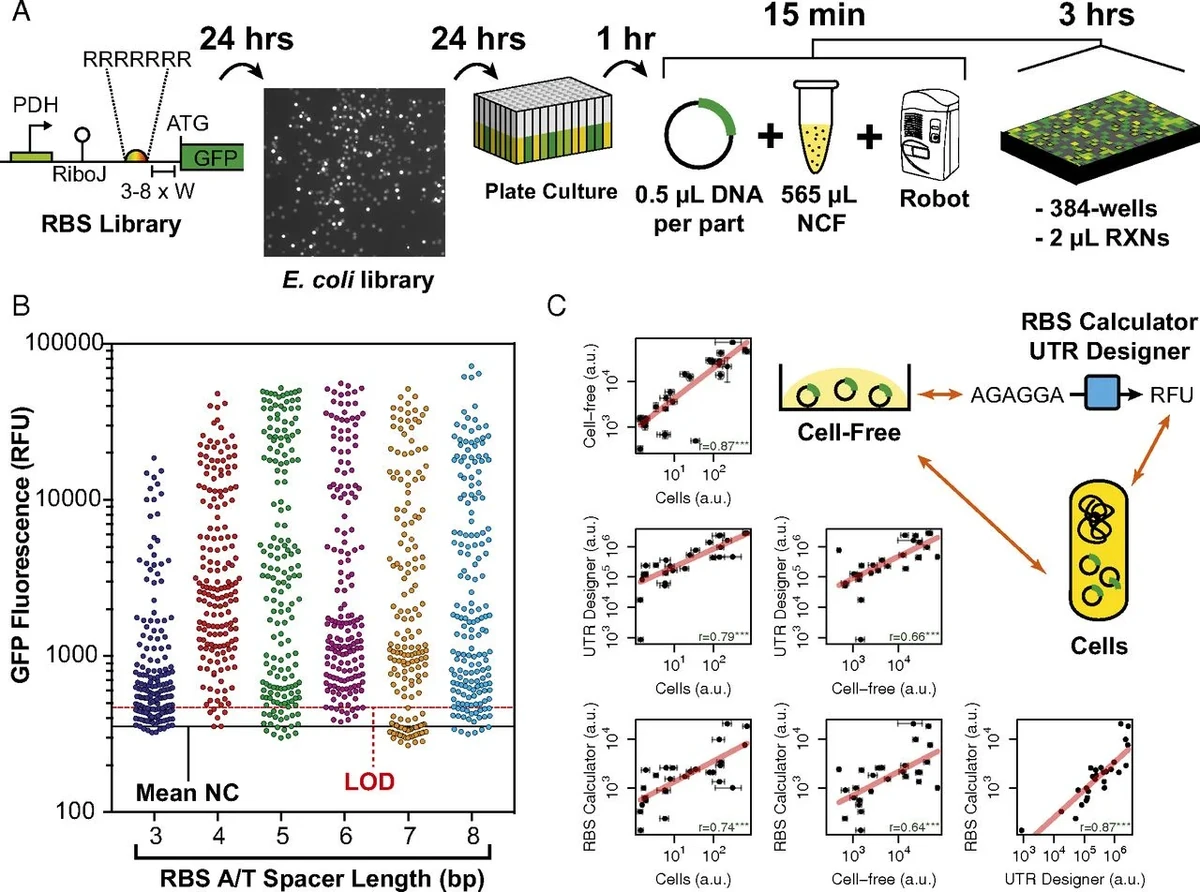
Figure showing a ribosome binding site library workflow, GFP fluorescence by spacer length, and comparisons of cell-free expression with predicted values.

Theme 2

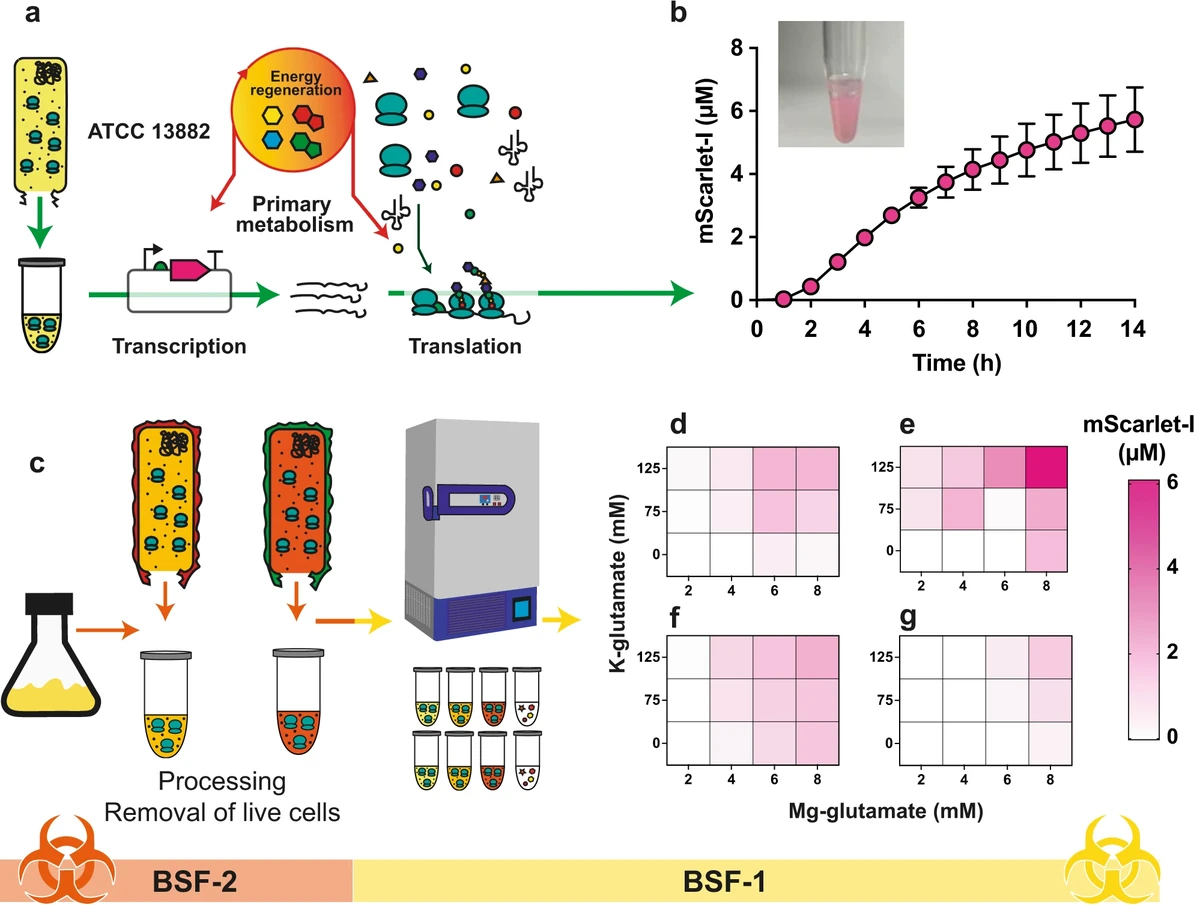
Cell-free Synthetic Biology

We build high-yielding cell-free systems from diverse bacteria to make peptides, proteins and small molecules, and to prototype pathways fast.
Work with us

We welcome enquiries from prospective students and fellows, and from industry and public-sector partners.

Join usContact details